Common SMS Marketing Mistakes You Should Avoid
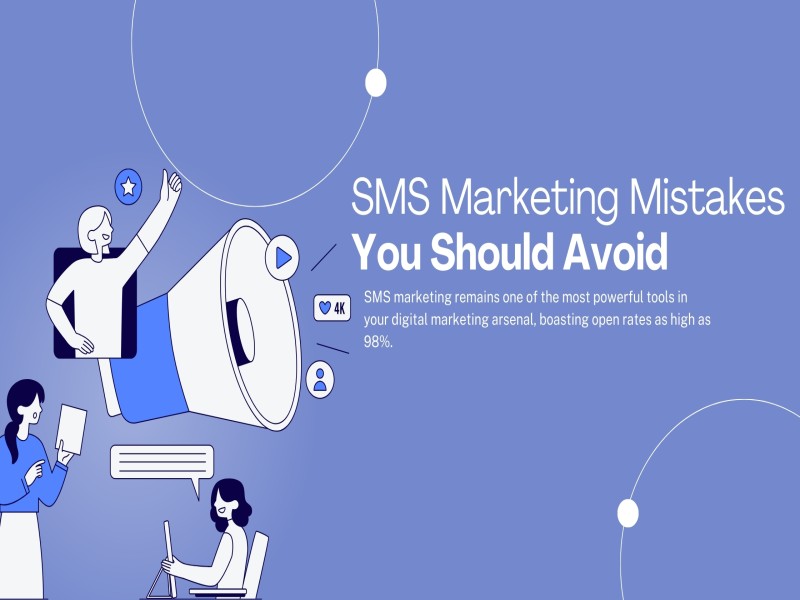
SMS marketing remains one of the most powerful tools in your digital marketing arsenal, boasting open rates as high as 98%. But here's the thing – one wrong move, and you could be damaging your brand reputation faster than you can hit send. Let's talk about the most common SMS marketing mistakes businesses make and, more importantly, how you can avoid them.
Table of Content
Skipping Permission (The Biggest No-No)
Forgetting to Include an Opt-Out Option
Bombarding Your Audience with Messages
Ignoring Timing and Time Zones
Sending Generic, One-Size-Fits-All Messages
Making Messages Too Long
Neglecting a Clear Call-to-Action
Not Tracking Your Results
Ignoring Mobile Experience
Overlooking Compliance and Regulations
Skipping Permission (The Biggest No-No)
This one's non-negotiable, folks. Sending unsolicited text messages isn't just annoying – it's actually illegal in most countries. Always get explicit opt-in consent before adding someone to your SMS list. Make your sign-up process crystal clear, and never buy contact lists from third parties. Remember, quality always trumps quantity when it comes to your subscriber base.
Forgetting to Include an Opt-Out Option
You know what's worse than getting unwanted texts? Not being able to stop them. Every single message you send must include a simple way for recipients to unsubscribe – usually by replying "STOP." It's not just best practice; it's the law. Plus, keeping people who don't want to hear from you just hurts your engagement rates anyway.
Bombarding Your Audience with Messages
We get it – you're excited about your promotions. But here's a reality check: nobody wants their phone buzzing constantly with marketing messages. Sending too many texts is the fastest way to annoy your customers and increase opt-outs. Stick to 2-4 messages per month unless you've got something truly time-sensitive or valuable to share. Find that sweet spot where you stay top-of-mind without becoming a nuisance.
Ignoring Timing and Time Zones
Imagine getting a promotional text at 3 AM. Frustrating, right? Respect your customers' time by sending messages during reasonable hours – generally between 10 AM and 8 PM in their local time zone. If you've got subscribers across different regions, segment your lists and schedule accordingly. Your customers will appreciate the consideration.
Sending Generic, One-Size-Fits-All Messages
"Dear Customer" – yawn. Personalization isn't optional anymore; it's expected. Use your customers' names, reference their past purchases, and segment your audience based on their preferences and behavior. A personalized message shows you actually care about the individual, not just their wallet.
Making Messages Too Long
You've got 160 characters – use them wisely. SMS isn't the place for your life story. Get straight to the point: what's the offer, why should they care, and what should they do next? Keep it punchy, clear, and actionable. If you need more space, consider directing them to a mobile-friendly landing page.
Neglecting a Clear Call-to-Action
What do you want recipients to actually do? Visit your store? Click a link? Use a discount code? Make it crystal clear. Vague messages like "Check out our new collection" don't drive action. Instead, try "Use code SAVE20 for 20% off – shop now: [link]."
Not Tracking Your Results
You're sending messages into the void if you're not measuring what's working. Track metrics like delivery rates, click-through rates, conversion rates, and opt-out rates. This data is gold – it tells you what resonates with your audience and what falls flat. Use these insights to continuously refine your strategy.
Ignoring Mobile Experience
If someone clicks your link and lands on a desktop-only website, you've lost them. Ensure every link in your SMS campaigns directs to a mobile-optimized page. Test everything on multiple devices before hitting send.
Overlooking Compliance and Regulations
Different countries have different rules about SMS marketing. In the US, there's the TCPA. In Europe, there's GDPR. Know the regulations that apply to your business and follow them religiously. Non-compliance can result in hefty fines and serious reputation damage.
Conclusion
SMS marketing is incredibly effective when done right, but it requires thoughtfulness and respect for your audience. Avoid these common mistakes, focus on delivering genuine value, and watch your engagement soar. Remember, every text you send is a direct line to your customer's most personal device – use that privilege wisely.
Recent Posts